


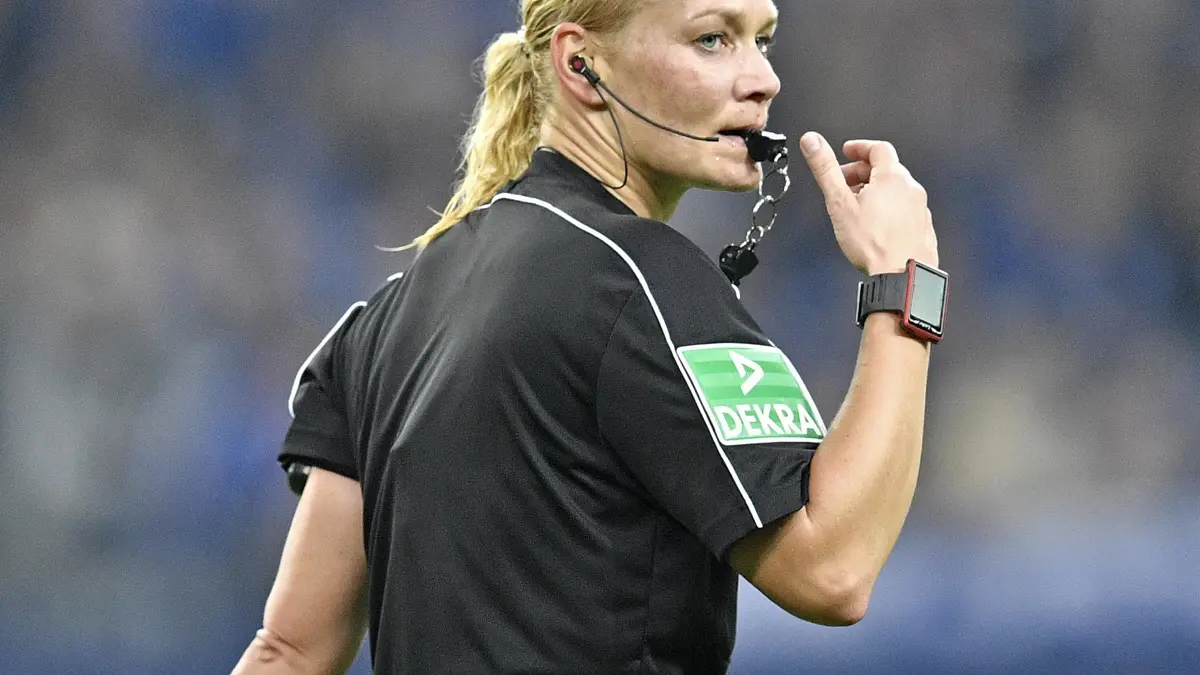
The NFHS Soccer Rules Committee recently approved 13 major changes for the 2026–27 season. These updates, now available on the official NFHS website, affect everything from penalty kicks to goalkeeper limits. The goal is simple: making the rulebook mirror the modern professional game.
New Protocol for Yellow and Red Cards
Referees must now follow a stricter protocol when issuing cards. Under Rule 5-3-1, an official must physically hold the card up and clearly point to the specific person receiving the caution.
When a referee ejects a player for a second yellow card, the sequence must be explicit. The official shows the yellow card first, then immediately follows with the red card. After any card, the official must notify both coaches and the scorer about the nature of the misconduct.
Goalkeepers: More Time, Harsh Penalties
Goalkeepers now have eight seconds to release the ball, up from the previous six-second limit. This change gives keepers more time to distribute the ball under pressure.
However, the penalty for exceeding this limit is now much steeper. Previously, the opponent received an indirect free kick. Now, the referee will award a corner kick. This shift creates a massive advantage for the attacking team, forcing goalkeepers to be more disciplined.
The New Logic of Penalty Kicks
The NFHS has also refined Rule 14 regarding penalty kicks. Referees will now only penalize encroachment if it clearly impacts the outcome of the play.
Goalkeepers will receive a warning for their first encroachment instead of an immediate yellow card. For kickers, the rules are sharper: stutter-stepping remains legal during the run-up, but “feinting” once the approach is complete is strictly prohibited. If both players commit a foul at once, the kicker receives the penalty.
Biting and Verbal Offenses
In an unusual update, Rule 12-2-3 now explicitly lists biting as a direct free kick foul. This aligns biting with spitting as a major offense.
Additionally, new rules 12-3-6 and 12-3-7 categorize verbal offenses as fouls. This gives officials a clearer tool to intervene during heated moments on the pitch. Baseless verbal abuse will now result in an indirect free kick at a minimum.
Simplifying DOGSO and Dangerous Play
The committee also simplified the language for Denying an Obvious Goal-Scoring Opportunity (DOGSO). The new rule removes the confusing “attempted” distinction. Officials now focus purely on whether the action denied a goal, making the standard easier to apply during high-pressure games.
Furthermore, “dangerous play” now includes actions that force an opponent to back off out of fear of injury. This allows referees to protect players even if no physical contact occurs.
Equipment and Tech Restrictions
Finally, the 2026–27 rules address modern technology. Rule 4-2-11 strictly prohibits participating athletes from wearing any audio or video device that records or livestreams the match. Uniform rules also require home teams to wear “explicitly dark” socks to contrast with the away team’s white socks.