


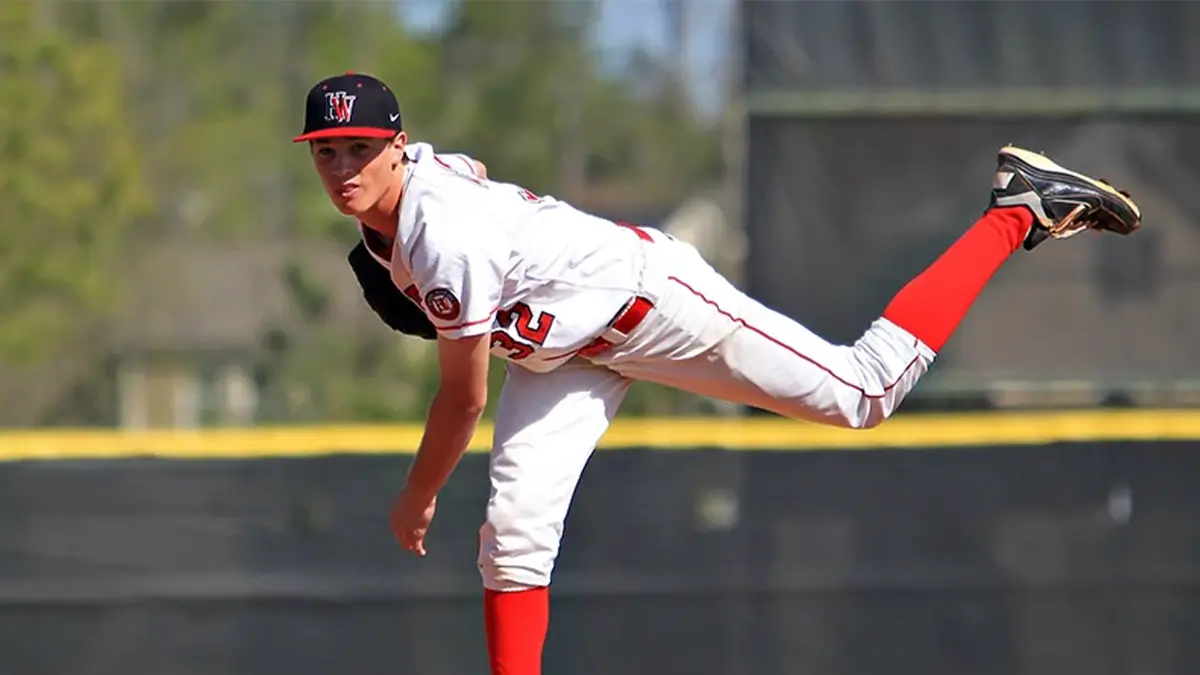
In the modern era of high school baseball, the “platoon” system—once a desperate measure for depth—has evolved into a hallmark of elite program management. While most varsity squads lean on a static starting nine, history’s most dominant programs have treated their rosters like a chess board. By rotating specialized talent to exploit matchups, these legendary teams didn’t just win games; they suffocated the opposition with relentless depth.
From the talent-rich dirt of California to the powerhouse circuits of Florida, we analyze the tactical brilliance behind the greatest platoons to ever grace the prep diamond.
The Architecture of Depth: Why Platooning Works
At the collegiate and professional levels, the “lefty-righty” split is a data-driven standard. However, at the high school level, a successful platoon requires a rare alignment of two factors: redundancy of elite talent and selfless player buy-in. When a coach can swap a Division I-committed outfielder for another without losing a single point in slugging percentage, the psychological toll on an opposing pitcher is immense.
The Gold Standard: Iconic Platoons Through the Decades
1. The Huntington Beach Power Surge (California)
California has long been the epicenter of “revolving door” excellence. The 2010s saw Huntington Beach master the art of the offensive platoon.
- The Strategy: Utilizing high-contact hitters to exhaust the starter, followed by mid-game substitutions of “power-threat” specialists.
- The Result: Multiple state rankings and a reputation for having a bench that would start on any other varsity team in the country.
2. The Florida Pitching Factories (Archbishop McCarthy & Venice)
In Florida, the platoon isn’t just for position players; it’s a lifestyle for the pitching staff. Programs like Archbishop McCarthy redefined “bullpenning” before it became a Major League trend.
- The Expertise: Pairing a high-velocity “flamethrower” righty with a deceptive “crafty” southpaw (left-hander) to disrupt timing.
- The Statistical Edge: By limiting starters to two trips through the lineup, these teams kept their ERA (Earned Run Average) at historic lows.